I work in TypeScript on both ends of a production IoT platform: the Next.js dashboard partners use and the NestJS APIs behind it. I own that platform's cloud side end to end, so the same work also covers the database, the message pipeline and the deployments. Most of what I know came from running that system, not only from adding features to it.
Own the cloud side of a multi-tenant IoT platform end to end: the partner dashboard, the API, the message pipeline, and the deployments. It runs at a few million API requests a day with tens of thousands of concurrent MQTT connections.
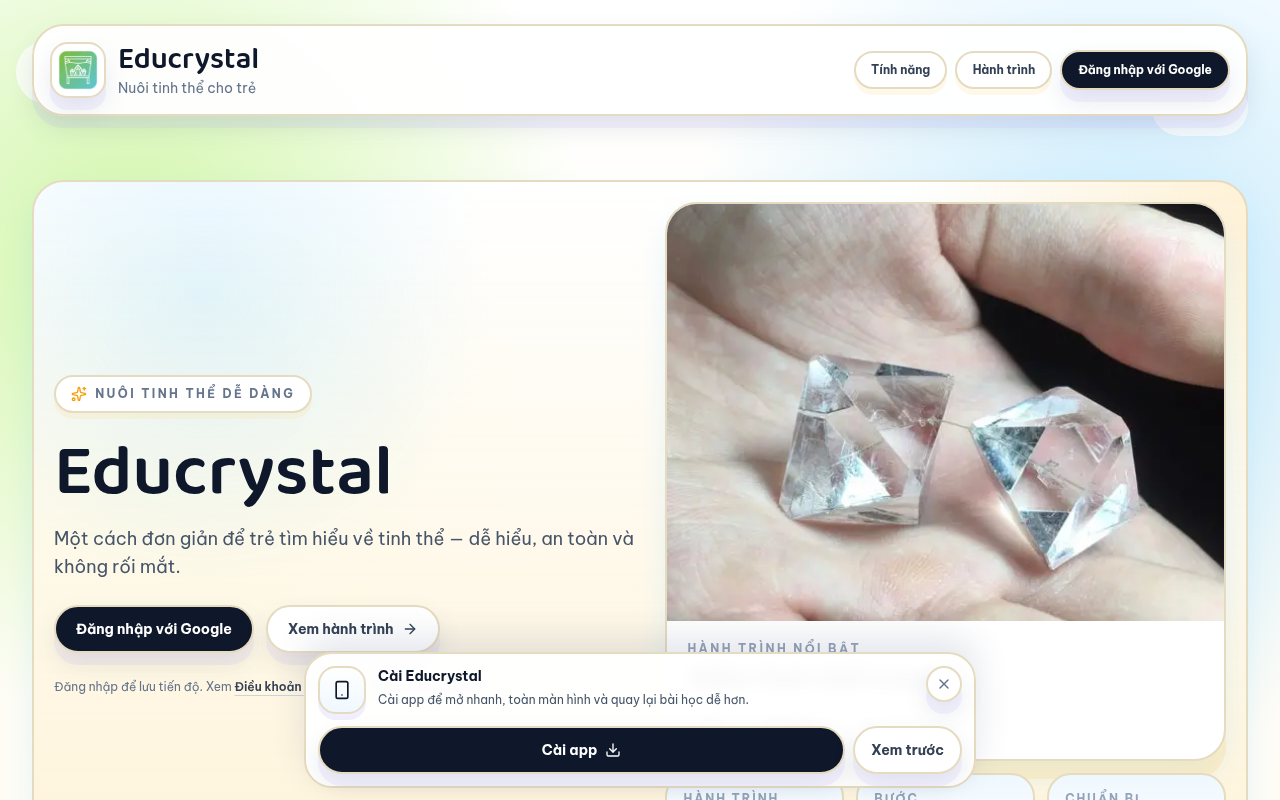
A guided crystal-growing app for children: step-by-step programs, a private photo diary, and a gallery a moderator approves. Access rules live in Postgres row level security rather than in the application, so a route cannot leak another child's diary. Installable as a PWA.
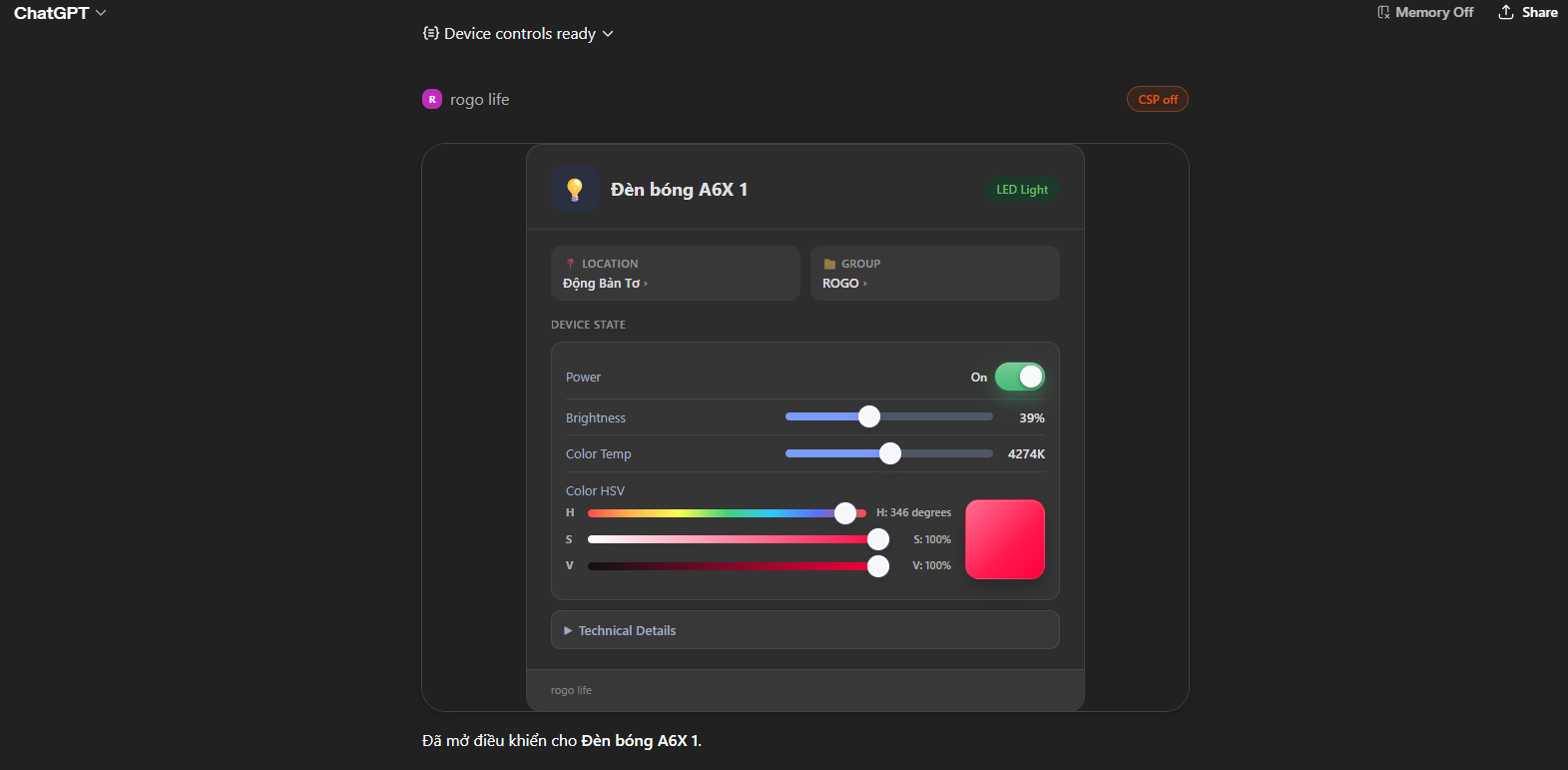
A Model Context Protocol server for IoT cloud platforms, so an assistant can query and control devices through one interface rather than a separate integration per platform.
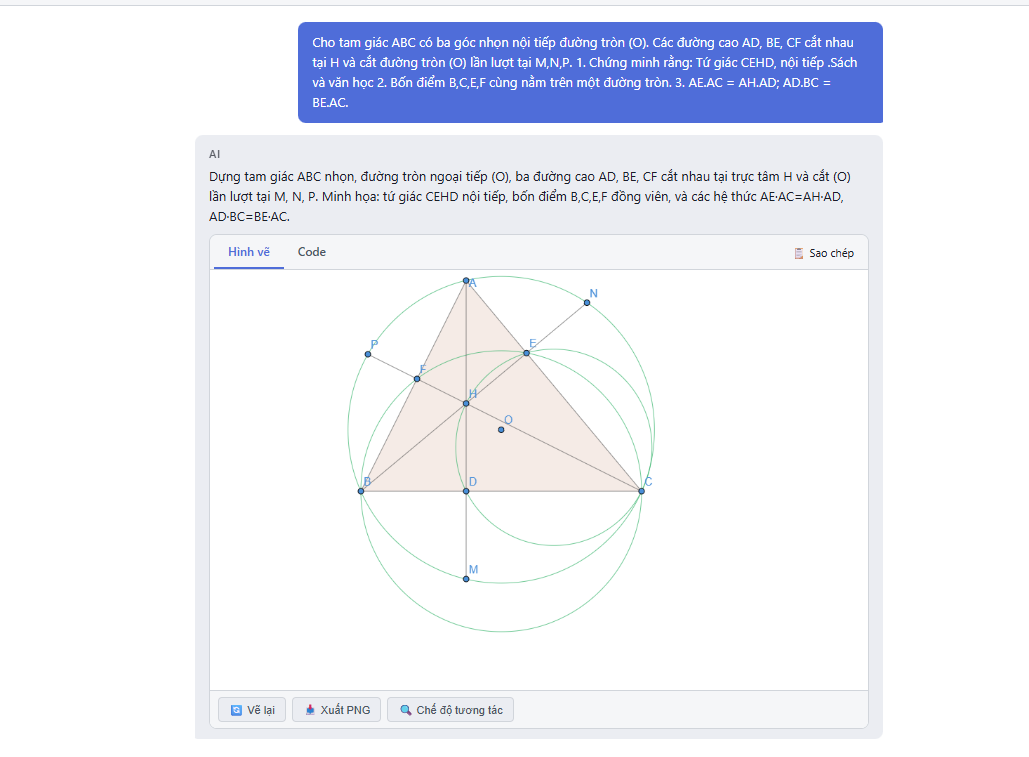
Feedback on a handwritten maths problem. A computer-algebra engine decides whether a step is right and the model only writes the explanation, so it cannot invent a correction that is wrong.
A long-form writing tool. The awkward part is that prompt cost grows with the story, so it keeps a canon store, a rolling summary and vector retrieval instead of resending history.
FPT University
Coursework in Data Structures & Algorithms, Web Development, Database Management, and Network Programming. Final year project: a real-time multiplayer online game backend using ASP.NET Core, WebSockets, and MySQL with lag compensation for seamless play across varied network conditions.
University of California, Irvine
Specialization covering fundamental project management methodologies, risk management, and agile practices.
University of Minnesota
In-depth study of SDLC methodologies including requirements engineering, software design, testing, and DevOps practices.